Cat sounds
Cat body language: how to read tails, ears, and posture
Learn to read your cat's tail, ears, eyes, and posture together, with simple examples of when to approach and when to give them space.
THE SHORT ANSWER
Read the whole cat and the situation together. A loose body and relaxed ears suggest comfort; a tense, tucked posture or flattened ears can signal unease. One tail movement or a pair of wide pupils is not enough to identify a feeling.
Your cat can tell you plenty without making a sound. The useful skill is noticing what they do before you reach for them, while you interact, and when you stop. You do not need to translate every movement into a sentence to respond thoughtfully.
Start with the whole cat, not a single signal
The American College of Veterinary Behaviorists recommends reading several body regions together and considering the surroundings. Signals can change quickly. Think of a body-language guide as a prompt to observe, rather than a chart that guarantees what your cat is thinking.
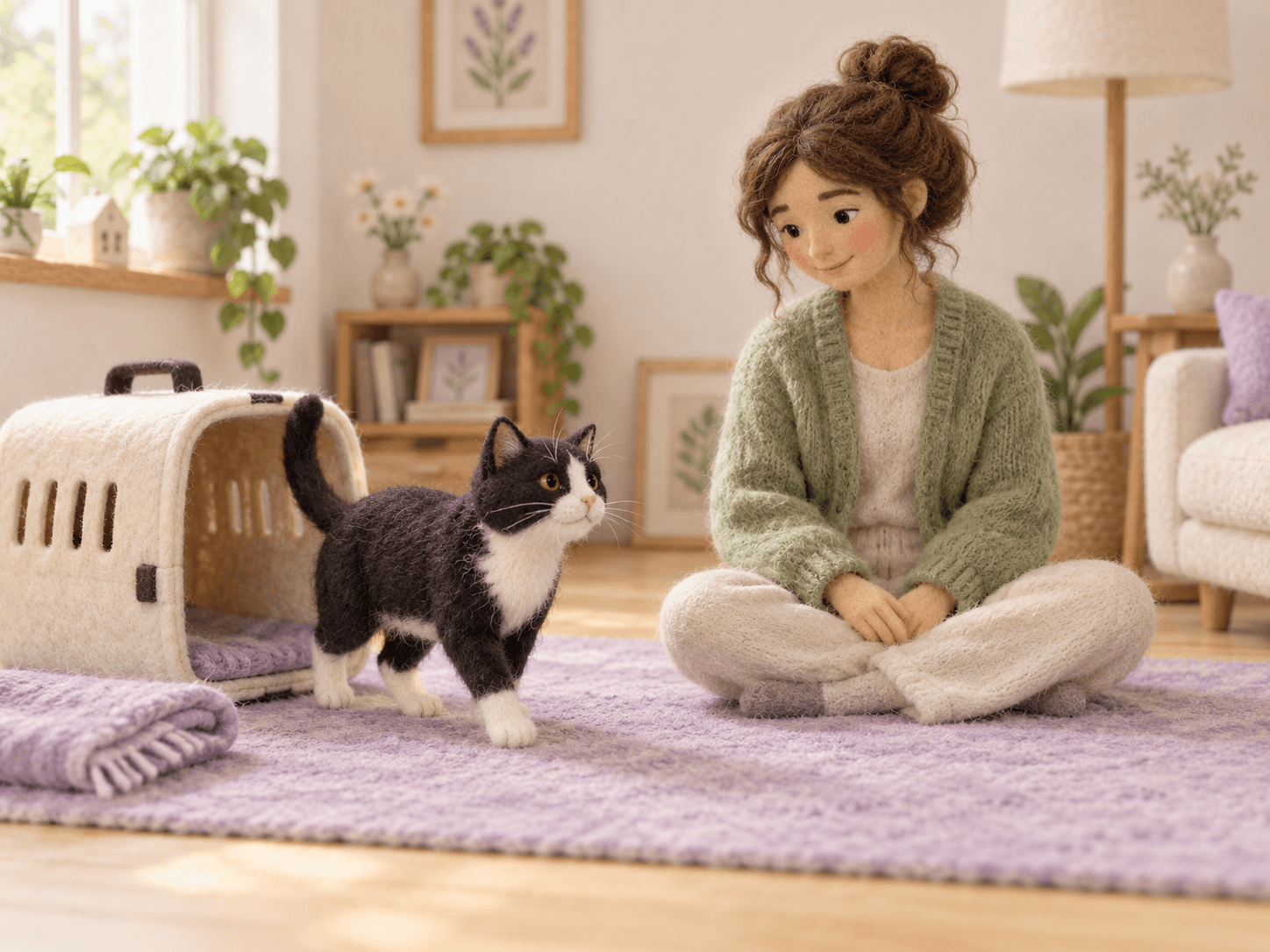
Picture your cat beside a new cardboard box. Before calling them scared or excited, look at whether they approach, pause, or retreat. Then notice their ears and posture. Describe what you can see first. You can leave the exact emotion uncertain and still give them room to choose.
Read the tail with the rest of the body
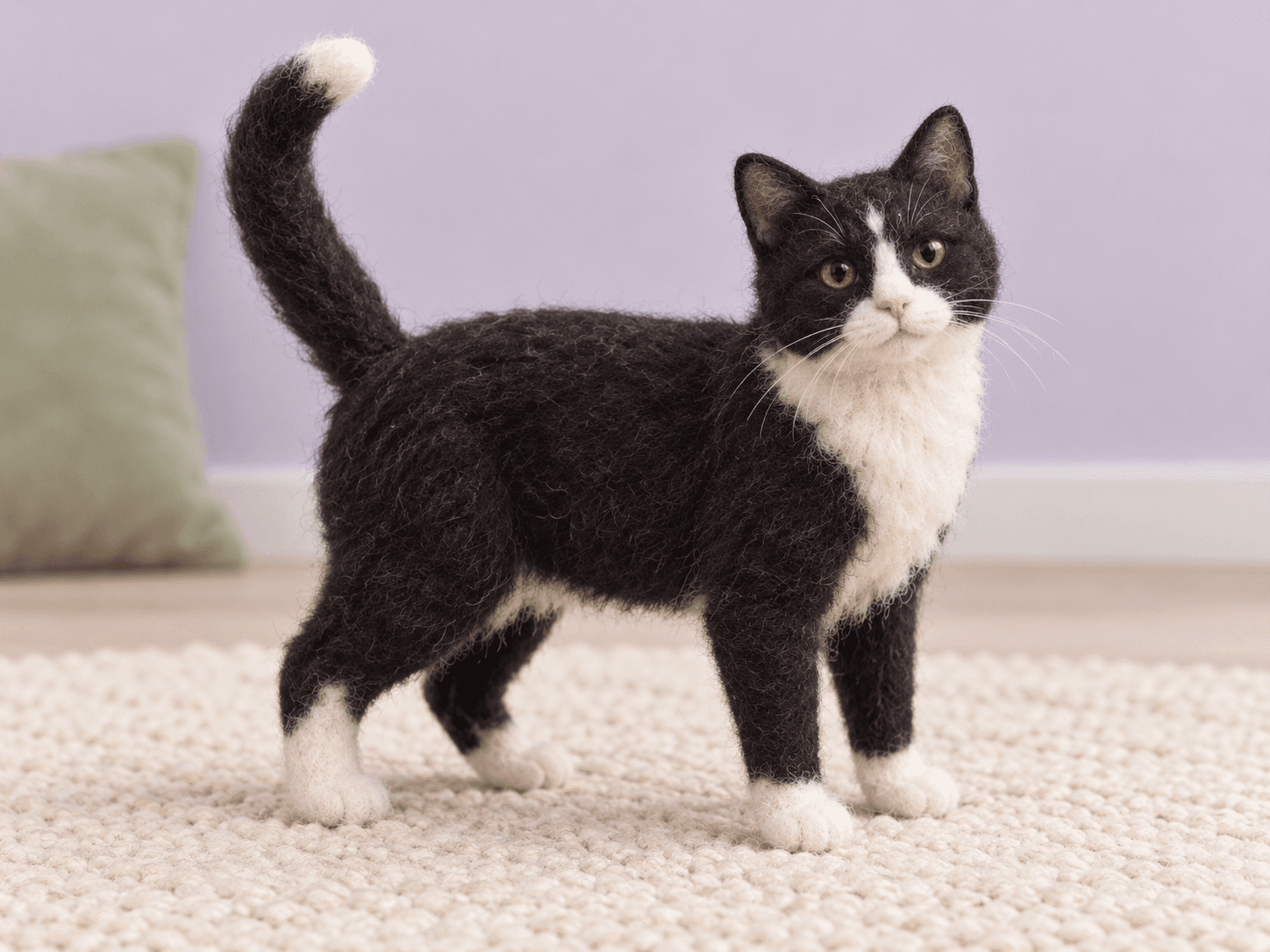
VCA describes a loose upright tail as a sign of confidence, while a tense or puffed tail can accompany fear. A moving tail needs context: swishing may occur before a pounce as well as when a cat is annoyed. Movement alone is not a reliable invitation to pet.
Compare two moments in your own home: a greeting at the door and a cat watching a moving toy. Write down the tail position in each without deciding that every upright tail or flick has one fixed meaning. Over time, those observations become a useful record of your individual cat.
Check ears and eyes before you move closer
Relaxed forward ears and a soft gaze can accompany comfort. Ears flattened back and wide pupils can accompany stress, but VCA notes that pupils also widen in dim light or during stimulation. Check the lighting and what has just happened before interpreting a close-up photo.
Put the camera down for this part. Watch a short sequence instead of selecting one dramatic frame. Did your cat turn toward a noise and then settle again? Did their whole body stiffen when someone approached? The sequence gives you information that a still picture cannot.
Let posture guide the amount of space you give
A tightly tucked body, withdrawn head, and ears turned back can signal a cat who wants distance. The ACVB advises respecting those signals instead of forcing contact. Make it easy for your cat to move away, and let the next approach be their choice.
For a practical check, ask yourself where your cat could go if they wanted the interaction to end. Your lap, a narrow hallway, or a crowded sofa can make that answer less obvious. Shift yourself instead of moving the cat, and watch what they choose next.
Notice changes during your time together
Cats Protection lists relaxed posture, slow blinking, and relaxed forward ears among signs of comfort. Hissing, retreating, and guarded movement call for a different response. Pause the interaction instead of trying to persuade your cat to stay for one more cuddle or sound.
If a change in movement, posture, or willingness to interact persists, contact your vet. A body-language checklist cannot tell you whether pain or illness is involved. Cat Translator can add a playful sound to a comfortable moment, but an app interpretation cannot assess your cat's welfare.
Common questions
Does a wagging tail mean my cat is happy?
Not necessarily. Look at the speed of movement, the rest of the body, and the situation. A tail can move during play or irritation, so give your cat a pause before assuming they want more contact.
Are wide pupils always a sign of fear?
No. Light levels and stimulation also affect pupil size. Compare the eyes with the ears, posture, and recent events instead of using pupil size on its own.
Can an app tell me exactly how my cat feels?
A playful translation is not a reliable assessment of emotion or health. Watch your cat directly, respect their choices, and ask your vet about persistent changes that concern you.
You can respond kindly without knowing an exact translation. Notice the change, pause, and give your cat a choice.
Give that meow a little more attention.
Save a cat conversation and explore cat sounds with Cat Translator.