Cat sounds
Why do cats purr? Look beyond the happy sound
Cats purr for more than one reason. Learn what to observe during a purr, why context matters, and which changes are worth discussing with your vet.
THE SHORT ANSWER
Cats often purr when they are comfortable, but purring can also occur during stress or pain. A purr is one clue: consider their posture, the situation, and whether their behavior has changed.
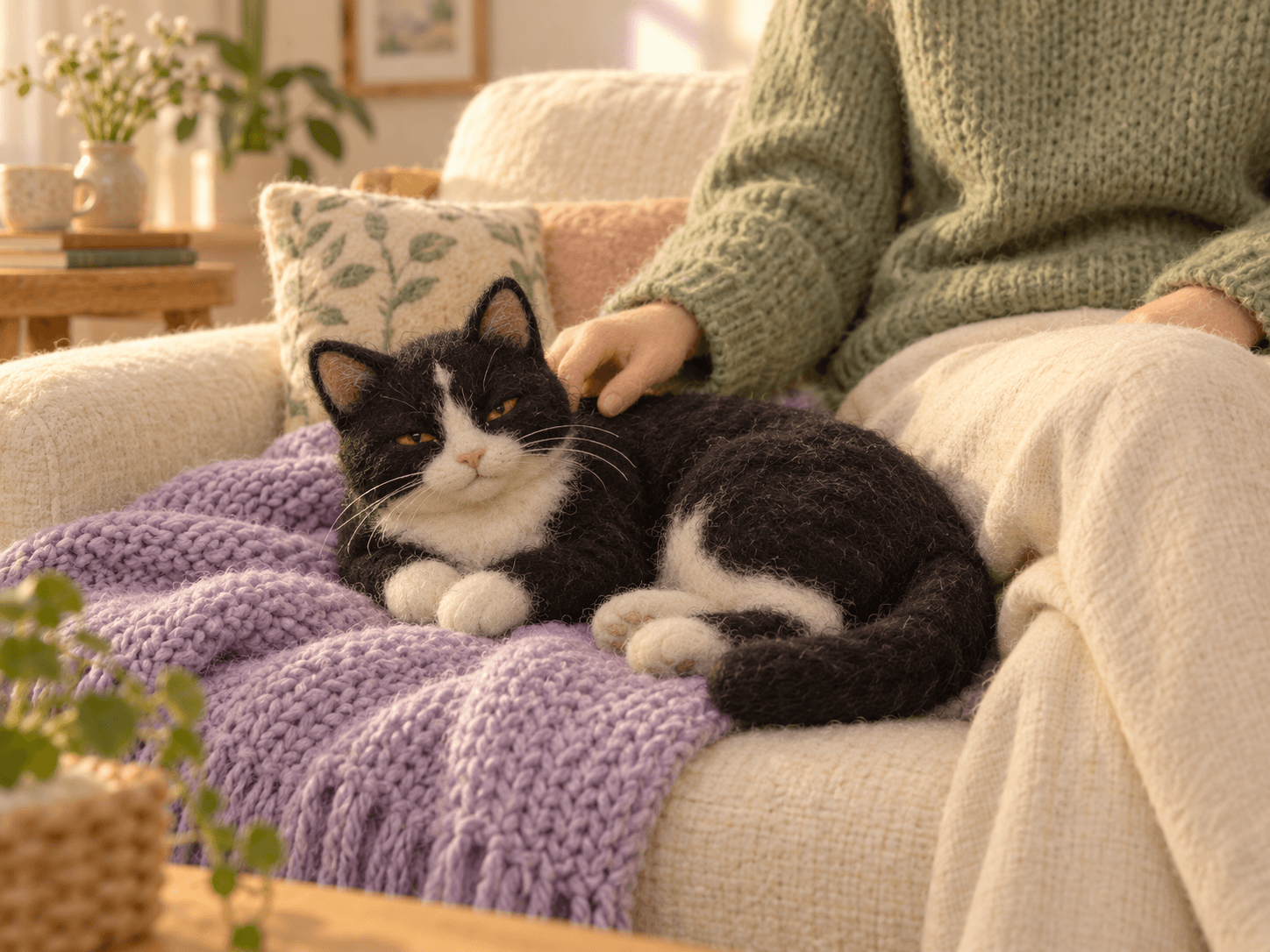
A cat settling beside you with a steady little rumble is a lovely part of living together. It is easy to hear that sound as reassurance that everything is fine. Enjoy the moment, but leave room for a more complete picture of how your cat is doing.
Purring has more than one role
Cats Protection describes purring during relaxed interaction, between mothers and kittens, and in stressful or painful situations. That range matters: the same broad kind of sound can happen in very different circumstances.
Think of two possible scenes. In one, your cat has chosen the sofa beside you after a normal afternoon. In another, they are in an unfamiliar carrier. Hearing a purr in both places would not make the situations equivalent. Start with what is happening around the sound, rather than deciding what it means in isolation.
What to look at while your cat purrs
VCA points owners toward the whole cat when interpreting purring: a relaxed rest is different from purring accompanied by other behavioral changes. You can make your observations more specific with a few simple questions.
- Did your cat choose to come close, or were they carried or held there?
- Are they resting easily, changing position, or trying to leave?
- What happens when you pause petting and give them a choice?
- Is this a familiar moment, or does something about today feel different?
Let a purring cat set the pace of petting
A purr is not a promise that your cat wants unlimited touch. Cats Protection explains that purring can continue during stimulation, including situations that become too much. Keep interactions brief enough to notice when your cat wants a change.
Try this during an ordinary cuddle: stop moving your hand for a moment. Let your cat stay beside you without immediately restarting. This is not a test with a score; it is simply a chance to stop assuming that every pleasant moment needs more petting. If they move away, leave the next approach to them.
How do cats make that low rumble?
Research reported by the University of Veterinary Medicine Vienna in 2023 found that isolated cat voice boxes could produce vibrations in the purring range without active muscle contractions. The researchers described small pads within the vocal folds that may help produce the unusually low sound.
That experiment concerns how a purr can be produced, not a way to read a living cat’s emotions. It does not provide a frequency chart for happiness, worry, or affection. Understanding the sound-making mechanism and understanding the individual cat are different questions.
A changed purring pattern deserves attention
VCA advises a veterinary visit when increased purring comes with changes such as hiding, different energy levels, or reluctance to jump or use stairs. Do not let the familiar sound reassure you out of seeking advice about unfamiliar behavior.
For the appointment, write down when you first noticed the change and what else changed with it. A short clip can help describe the sound, but your notes about movement and routine matter too. Do not keep touching an area to see whether it produces the same reaction.
Keep the memory without chasing a purr
If you want to save a cozy moment, have your phone ready and record from where you already are. A short clip is enough. Avoid waking your cat, holding them in place, or repeating sounds to get a better take.
Common questions
Does a louder purr mean a happier cat?
Loudness alone does not establish how a cat feels. Look at the circumstances and behavior rather than ranking affection by the volume of a purr.
My cat rarely purrs. Should I try to make them?
No. Cats differ in how they communicate, and purring is not an affection requirement. Cats Protection recommends a vet check for a new change in purring behavior.
Can a cat purr when they are in pain?
Yes. Purring cannot rule out pain. If your cat is acting differently or you are concerned, describe the change to your veterinarian.
Enjoy the purr, and keep paying attention to the cat making it.
Give that meow a little more attention.
Save a cat conversation and explore cat sounds with Cat Translator.